Professional Headshot Guidelines: What Makes a Great Headshot
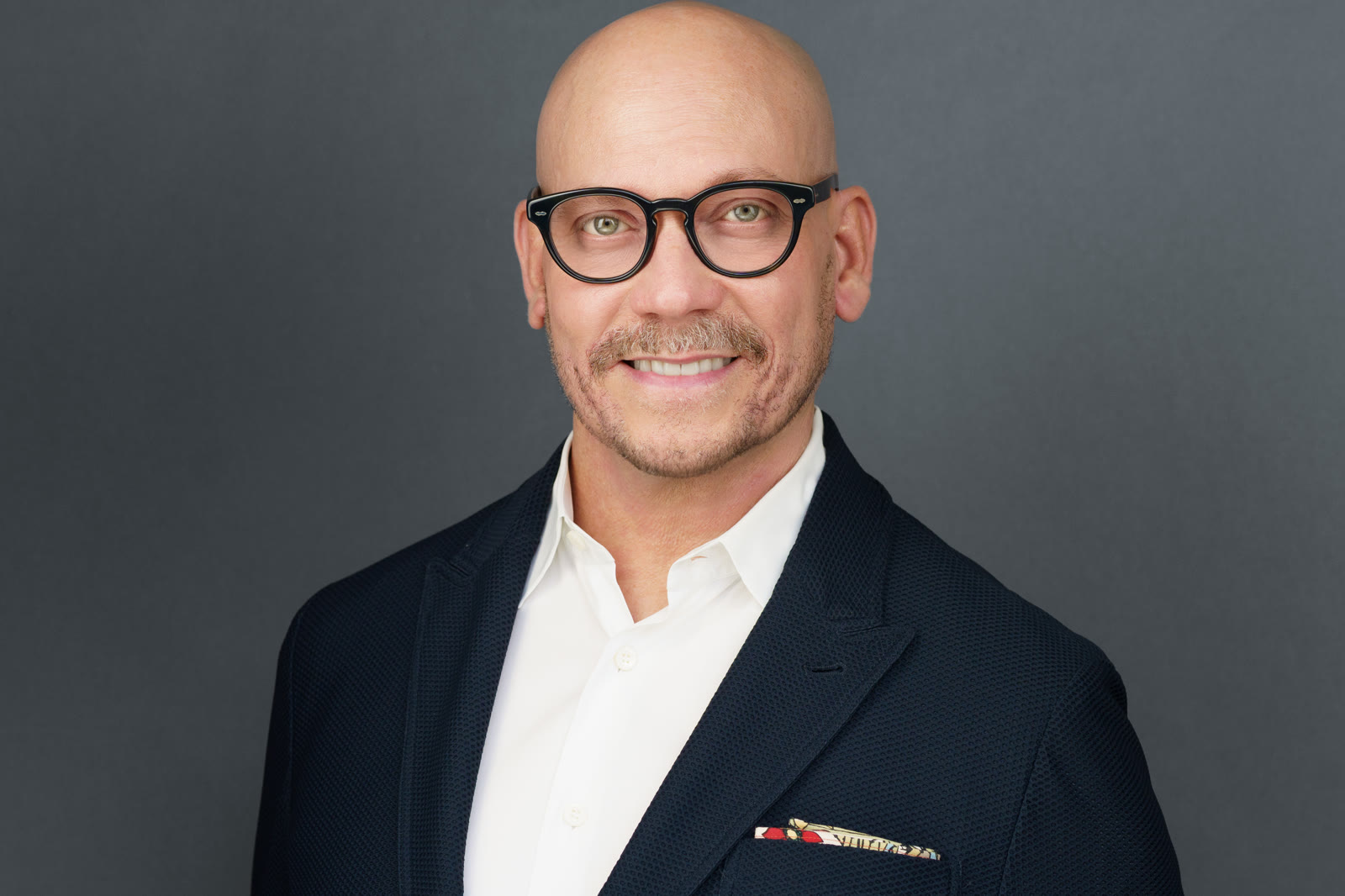
A professional headshot is one of the most important images in your professional brand. Whether you're building a LinkedIn presence, launching a business, or pursuing an acting career, your headshot communicates credibility, approachability, and professionalism before you say a word.
But what exactly makes a professional headshot great? In this guide, we'll break down the elements of effective headshot photography and help you understand what to look for when choosing a headshot photographer.
Planning a professional headshot in El Paso? Book a headshot session or start a consultation to discuss your goals, intended uses, and the right session format.
What is a Professional Headshot?
A professional headshot is a portrait photograph specifically designed for business, career, or professional purposes. Unlike casual photos, professional headshots are strategically composed, professionally lit, and carefully edited to present you in the best possible light while maintaining authenticity.
Professional headshots are used for:
- LinkedIn profiles - Create a strong first impression in your professional network
- Corporate websites - Appear credible and approachable on your company's leadership or team pages
- Marketing materials - Use in brochures, case studies, and promotional content
- Casting and auditions - Represent your range and personality to casting directors
- Press and media - Provide journalists with a professional image of you
- Email signatures - Add visual credibility to your communications
The 5 Elements of a Great Professional Headshot
1. Professional Lighting
Lighting is the foundation of every great headshot. Professional lighting does several things:
- Flatters your facial features and skin tone
- Creates dimension and depth in your portrait
- Highlights your eyes and conveys emotion
- Eliminates unflattering shadows or harsh lines
Unlike uncontrolled natural light or harsh camera flash, studio lighting is carefully controlled and positioned to complement your features. The most common professional headshot lighting setup uses key light, fill light, and back light to create a flattering, three-dimensional portrait.
2. Clear Expression and Direction
Your expression is what people will connect with most in your headshot. A great headshot captures an expression that conveys:
- Confidence in your professional abilities
- Approachability and warmth
- Authenticity and genuineness
- Appropriate emotion for your industry
Professional headshot photographers understand how to direct you to natural, confident expressions. They guide your posture, angle, and emotional tone to help you look your best.
3. Clean, Simple Composition
The strongest professional headshots use simple, uncluttered composition. Typically:
- The background is neutral (solid color or subtle blur)
- The framing focuses entirely on your face and shoulders
- Distracting elements are eliminated
- Your eyes and facial expression are the focal point
The goal is to put all attention on you—your face, your expression, and your professionalism.
4. Professional Retouching
Professional retouching enhances your headshot while keeping you looking like yourself. Good retouching:
- Evens out skin tone
- Minimizes blemishes and temporary imperfections
- Enhances clarity and sharpness
- Adjusts lighting consistency
- Maintains natural appearance
The key is subtle enhancement—you should look like yourself, just polished and professional.
5. Proper Image Dimensions and Format
A professional headshot is delivered in formats suitable for different uses:
- Square format (1:1) for LinkedIn and social profiles
- Headshot format (8x10 or 4x5) for printing and submissions
- Landscape format for websites and digital use
- High resolution files for print quality
How to Choose a Professional Headshot Photographer
Not all photographers are skilled at headshot photography. Here's what to look for when choosing a headshot photographer:
Portfolio and Experience
Review the photographer's portfolio specifically for headshot examples. Look for:
- Consistency in lighting quality
- Variety in subject types (executives, actors, professionals)
- Clear, confident expressions
- Professional retouching
- Years of headshot-specific experience
Understanding of Your Industry
Different industries have different headshot expectations. An executive headshot differs from an actor headshot, which differs from a corporate team photo. Choose a photographer who understands your industry and what casting directors, hiring managers, or clients expect to see.
Direction and Coaching Ability
The best headshot photographers are excellent at directing clients. They'll guide you toward natural, confident expressions and help you feel comfortable in front of the camera. Look for photographers who:
- Make you feel at ease during the session
- Provide clear direction without being overly technical
- Show you proofs and get your feedback
- Deliver consistent, professional results
Local Expertise and Studio Quality
Professional headshots require professional facilities. The photographer should have:
- A professional studio with quality lighting equipment
- Professional retouching workflow
- Professional delivery and file formats
- Local knowledge of your area and industry
What to Expect in a Professional Headshot Session
Before the Session
Before your headshot session, you'll typically:
- Discuss your professional brand and goals
- Get guidance on what to wear
- Choose outfit and styling options
- Discuss any specific needs (LinkedIn, corporate website, acting casting, etc.)
During the Session
During your session, expect:
- Professional lighting setup (usually 30-45 minutes total time)
- Direction and posing guidance
- Multiple outfit or expression variations
- Review of proofs so you can provide feedback
- A comfortable, professional environment
After the Session
After your session, the photographer will:
- Professional retouch your images
- Deliver final files in multiple formats
- Provide high-resolution images for printing
- Supply web-ready files for LinkedIn and websites
Headshot Costs and Investment
Professional headshot photography is an investment in your career. Typical headshot costs range from $300-$1,000 depending on:
- Photographer experience and reputation
- Session length and number of outfit changes
- Retouching and editing quality
- Geographic location
- Additional services (multiple locations, rush turnaround, etc.)
A quality headshot is worth the investment because it directly impacts how you're perceived professionally. A great headshot can lead to better LinkedIn engagement, more professional opportunities, and stronger first impressions.
Service-Specific Headshot Photography
Different professional paths require different headshot approaches:
Executive Headshots
Business leaders and executives need headshots that convey authority, professionalism, and trustworthiness. Executive headshot photography focuses on polished, confidence-conveying portraits for C-suite leaders, founders, and business owners.
Actor Headshots
Performers and actors need headshots that show range, personality, and casting potential. Actor headshot photography is specifically designed for casting directors and auditions, with emphasis on expression and character type.
Corporate Team Headshots
Organizations need consistent, professional headshots across all team members. Corporate team headshot photography ensures unified lighting, background, and color grading across your entire team.
Final Thoughts
A professional headshot is an investment in your career and professional brand. By understanding what makes a great headshot and choosing an experienced photographer, you'll have images that work as hard as you do—conveying professionalism, confidence, and approachability to everyone who sees them.
Whether you're an executive building your leadership presence, an actor pursuing casting opportunities, or a professional looking to strengthen your LinkedIn profile, a quality professional headshot is one of the best professional investments you can make.
Book Your Professional HeadshotChoosing the Final Image
Choosing the final headshot should be based on use, not only personal preference. Identifying that use is an important part of planning the session because it determines the crop, expression, wardrobe, and lighting that will work best. A LinkedIn image may need approachability and clarity at a small size. A corporate website image may need consistency with the rest of the team. An actor headshot may need personality and casting range. A pageantry portrait may need polish, beauty, and confidence. Reviewing proofs with those uses in mind makes the selection process easier. The best final image is usually the one that communicates the right message quickly and still feels authentic.
What Clients Should Know Before Booking
A professional headshot session works best when it is planned around use, audience, and brand position. A corporate leader may need an image that feels confident and approachable on LinkedIn, a company website, a speaker bio, and press materials. An actor may need a headshot that communicates casting range without feeling overworked. A pageantry client may need clean beauty lighting, refined posture, and a polished final image that still feels like the person in front of the camera. Those differences matter because the strongest portrait is not simply the most dramatic one; it is the image that supports the next step in the client’s professional life.
Before every session, it helps to think about wardrobe, color, neckline, grooming, background, and the emotional read of the expression. Neutral colors, tailored layers, and simple textures usually photograph better than busy patterns. For teams, consistency becomes even more important. Lighting, crop, background, color, and retouching should feel unified so the final gallery looks like one brand system rather than separate portraits collected over time. That level of consistency is what gives a company page, proposal deck, or leadership roster a more premium feel.
Retouching should support credibility, not erase identity. The goal is to control distractions, refine skin tone, polish flyaway hair, and keep attention on expression. A good headshot should hold up in small digital thumbnails and still feel refined when used larger in print or media. That is why professional direction matters during the session. The best results usually come from small adjustments: chin position, shoulder angle, eye engagement, breath, posture, and micro-expression. When those details are handled with care, the final image feels effortless even though the process behind it is highly intentional.
How to Get More Value From the Session
The most useful photography projects are planned with final placement in mind. Before booking, list the places where the images will appear: website hero sections, service pages, LinkedIn, Google Business Profile, proposals, press releases, casting submissions, printed ads, menus, or social campaigns. That simple step changes how the session should be photographed. Horizontal frames need room for headlines, vertical frames need clean subject placement for mobile, and square crops need enough breathing room to avoid cutting into the subject. When those deliverables are considered before the shoot, the final gallery gives you stronger options and reduces the need for last-minute compromises.
It also helps to think about consistency across the full brand. Color, contrast, background, wardrobe, styling, retouching, and file naming all affect how professional the final images feel once they are published. For businesses, that consistency can make a website, team page, restaurant menu, architecture portfolio, or campaign deck feel more established. For individuals, it can make a headshot, biography, speaking profile, and social presence feel aligned. The goal is to create photographs that look beautiful on their own and still work hard in the real places clients need to use them.