Mastering Client Collaboration in Photography: Essential Photography Collaboration Tips
Working closely with clients is one of the most rewarding parts of being a photographer. It’s where creativity meets communication, and the magic of a successful shoot truly begins.
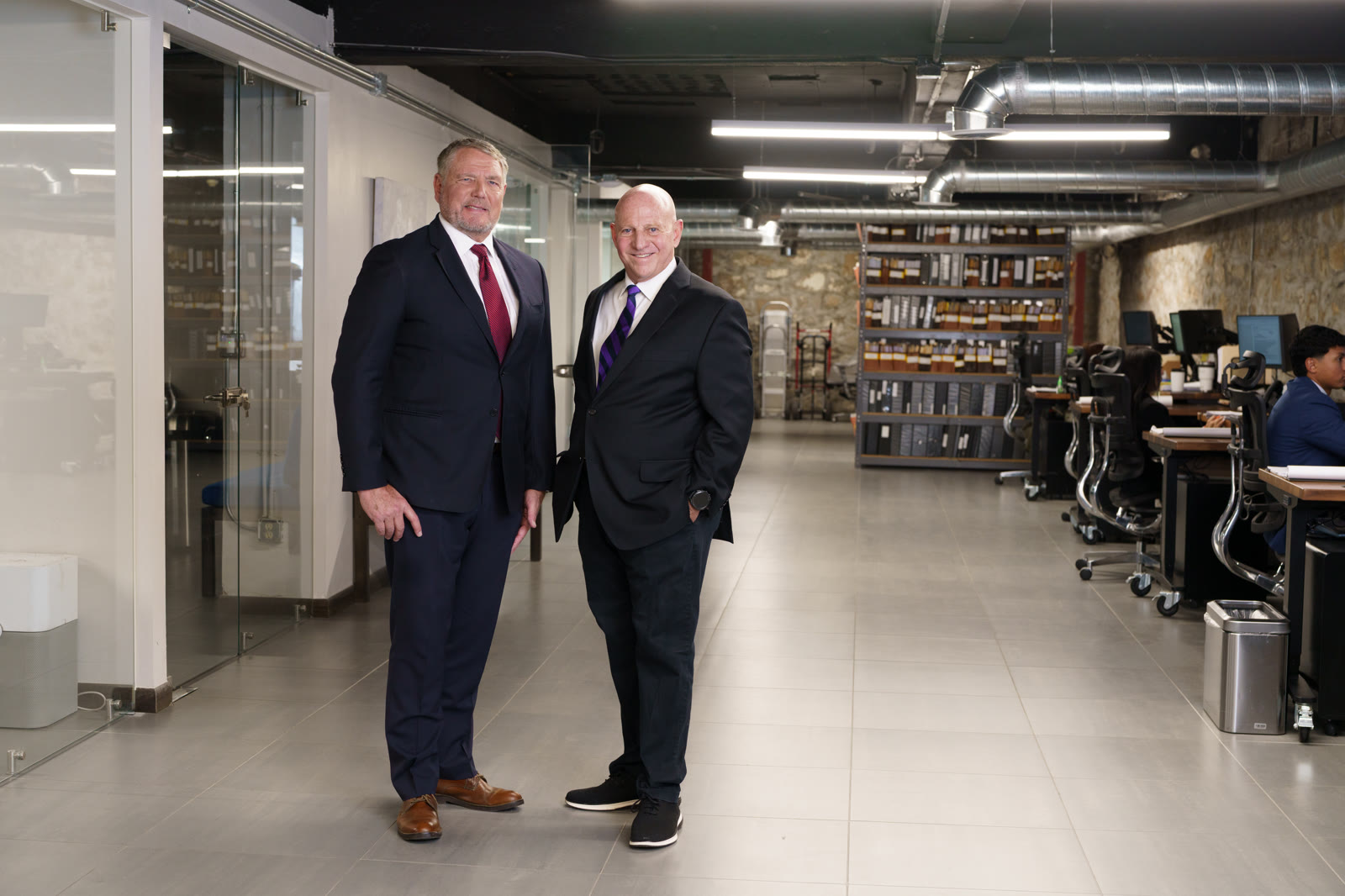
Working closely with clients is one of the most rewarding parts of being a photographer. It’s where creativity meets communication, and the magic of a successful shoot truly begins. Over the years, I’ve learned that mastering client collaboration is not just about taking great photos but about building trust, understanding needs, and delivering results that exceed expectations. In this post, I’ll share practical photography collaboration tips that will help you create stronger partnerships and elevate your work.
Why Client Collaboration Matters in Photography
Photography is a service-driven art. No matter how skilled you are behind the camera, your success depends on how well you connect with your clients. Collaboration ensures that you and your client are on the same page from the start. It helps avoid misunderstandings, reduces stress, and leads to images that truly reflect the client’s vision.
For example, when I work with a client, I always start by asking detailed questions about their goals, style preferences, and any specific ideas they have. This upfront communication saves time and helps me tailor my approach. It also reassures clients that I’m invested in their satisfaction.
Good collaboration also opens the door for creative input from both sides. Sometimes clients bring fresh ideas that inspire me to try new techniques or perspectives. When clients feel heard and involved, they become enthusiastic partners rather than just customers.
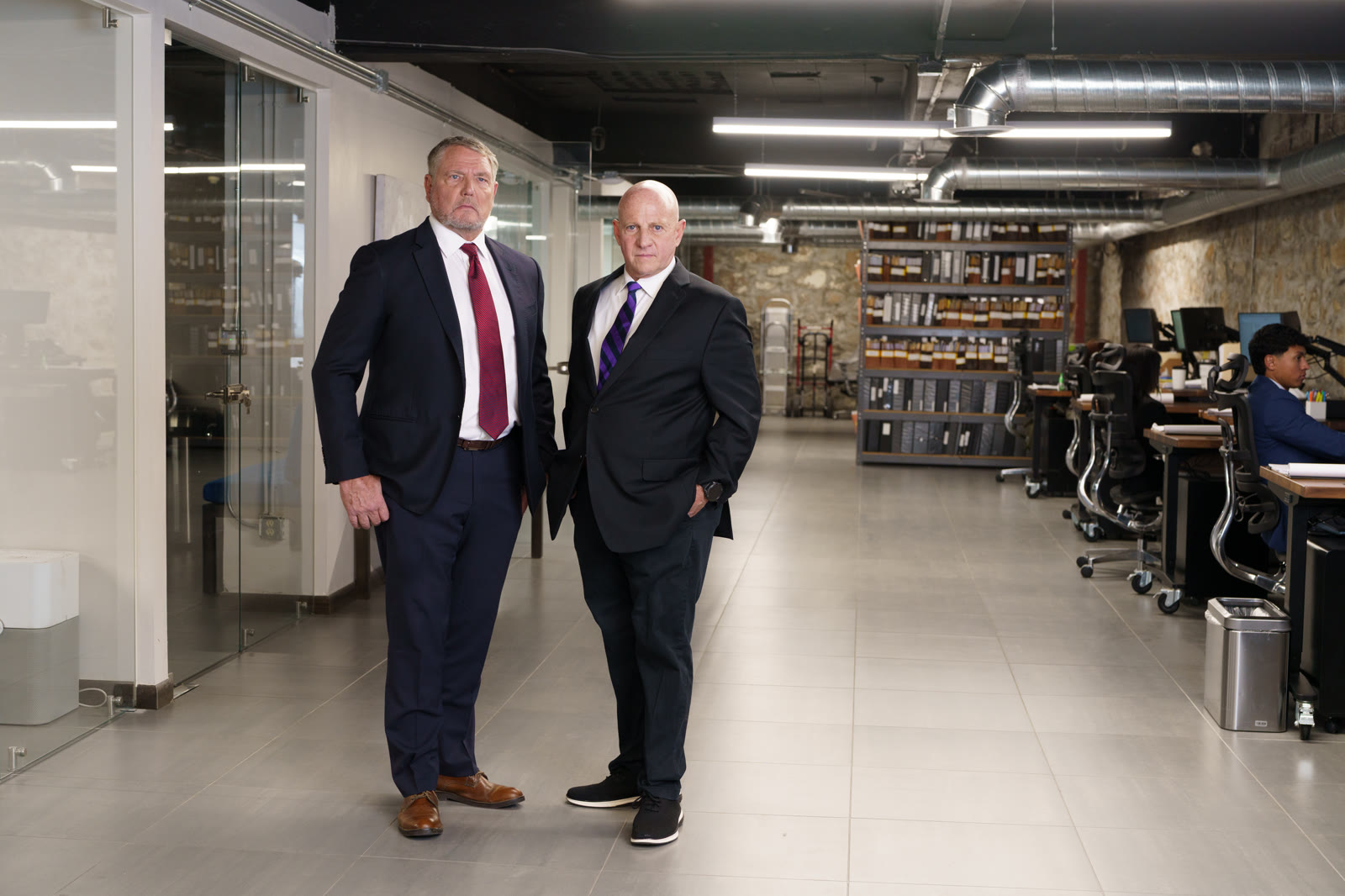
Photography Collaboration Tips for Clear Communication
Clear communication is the foundation of any successful collaboration. Here are some tips I use to keep communication smooth and effective:
- Set expectations early: Outline what the client can expect regarding timelines, deliverables, and pricing. This avoids surprises later.
- Use simple language: Avoid jargon or technical terms that might confuse clients. Explain your process in straightforward terms.
- Confirm details in writing: Follow up conversations with emails summarizing key points. This creates a record everyone can refer to.
- Be an active listener: Pay close attention to what the client says and ask clarifying questions. This shows you value their input.
- Provide regular updates: Keep clients informed about progress, especially if there are any changes or delays.
For instance, before a recent wedding shoot, I sent the couple a detailed timeline and checklist. This helped them prepare and reduced last-minute questions. During the shoot, I checked in frequently to make sure they were happy with the shots and comfortable with the process.
Building Trust Through Transparency and Flexibility
Trust is earned through honesty and reliability. I always strive to be transparent about what I can deliver and how I work. If a client requests something outside my expertise or timeline, I explain the situation clearly and offer alternatives.
Flexibility is also key. Sometimes unexpected challenges arise, like weather changes or location issues. Being adaptable and solution-focused reassures clients that you’re committed to making the shoot a success no matter what.
One time, a client wanted a sunset shoot, but the weather forecast predicted clouds. I suggested an earlier session with creative lighting options instead. The client appreciated the proactive approach, and the photos turned out beautifully.
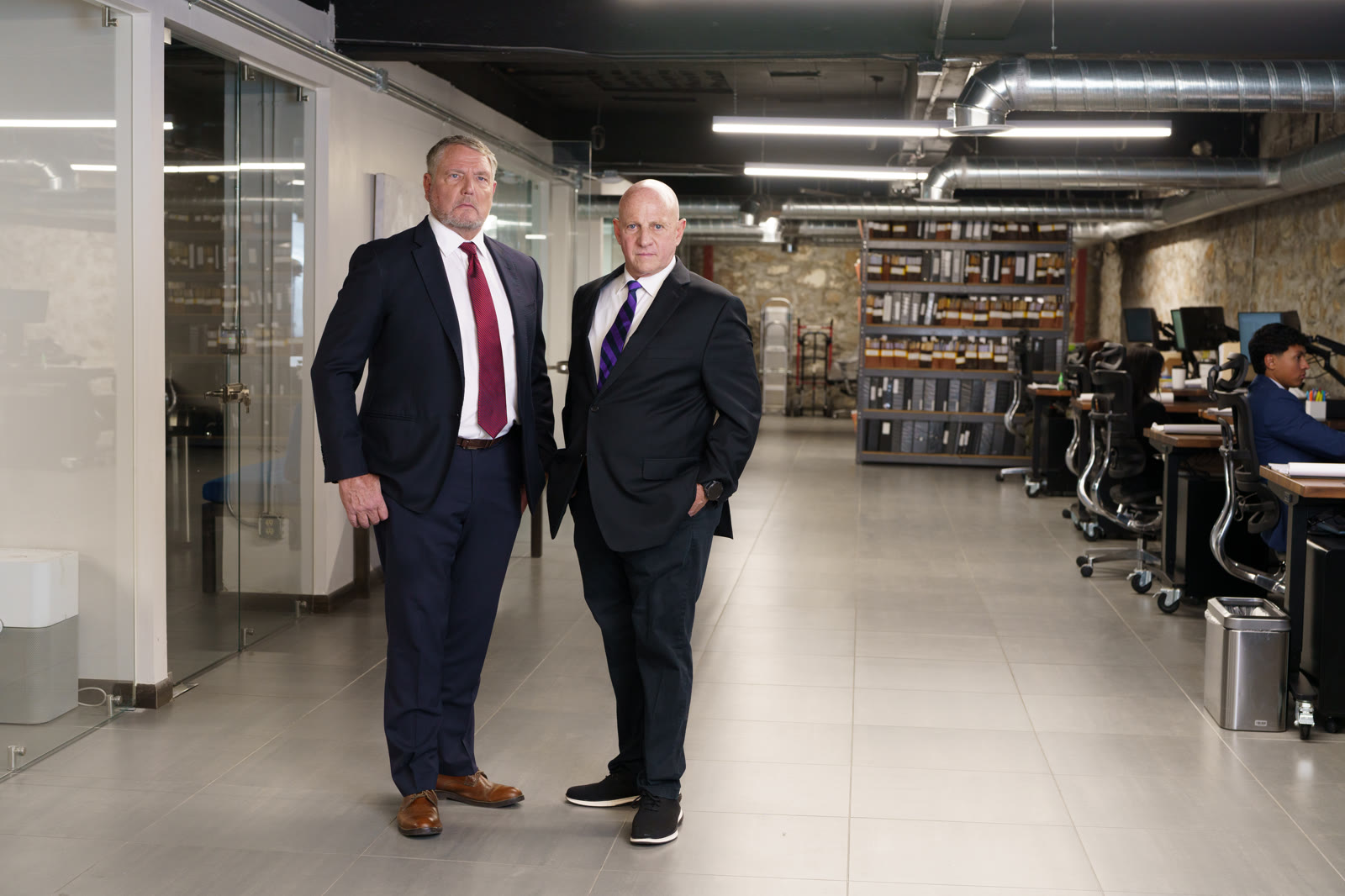
Using Technology to Enhance Collaboration
Technology can be a powerful ally in client collaboration. Here are some tools and methods I recommend:
- Online portfolios and galleries: Share your work digitally so clients can easily review and select images.
- Project management apps: Use tools like Trello or Asana to track tasks, deadlines, and client feedback.
- Video calls: When in-person meetings aren’t possible, video chats help maintain a personal connection.
- Digital contracts and invoices: Streamline paperwork with e-signatures and online payment options.
These tools not only improve efficiency but also create a professional impression. For example, I use an online gallery platform that allows clients to comment directly on photos. This makes feedback clear and organized, speeding up the revision process.
How to Handle Difficult Situations Gracefully
Even with the best collaboration, challenges can arise. Maybe a client is unhappy with some images, or there’s a miscommunication about the shoot’s scope. Handling these situations with grace is crucial.
Here’s my approach:
- Stay calm and listen: Let the client express their concerns fully without interrupting.
- Acknowledge their feelings: Show empathy and understanding.
- Clarify the issue: Ask questions to get to the root of the problem.
- Offer solutions: Propose ways to fix the issue, whether it’s reshooting, editing, or providing additional images.
- Follow up: After resolving the problem, check in to ensure the client is satisfied.
Remember, a positive resolution can turn a difficult experience into a trust-building opportunity. I once had a client who was unhappy with the color tones in their photos. After listening carefully, I offered a re-edit with adjusted colors at no extra cost. They were thrilled with the result and later referred me to friends.
Final Thoughts on Elevating Your Photography Collaboration
Mastering client collaboration is a continuous journey. It requires patience, clear communication, and a genuine desire to understand and meet your client’s needs. By applying these photography collaboration tips, you’ll build stronger relationships, reduce stress, and create work that truly resonates.
If you want to dive deeper into improving your client interactions, I recommend checking out this resource for more expert advice.
Remember, every successful shoot starts with a conversation. Make that conversation count.
Happy shooting!
More articles
Clear Feedback Creates Better Final Images
Good collaboration continues after the shoot. Proof galleries, selection notes, and clear retouching direction help the final edit stay focused. Clients should identify which images support the main business goal, which crops are needed, and whether any images require additional retouching for brand or publication standards. The photographer should explain what is included, what counts as advanced retouching, and how final files will be delivered. This reduces surprises and keeps the creative relationship professional. The result is not only better images, but a smoother project from first conversation to final delivery.
How a Strong Creative Process Improves the Final Gallery
Successful photography projects depend on clear collaboration before, during, and after the shoot. The best results usually begin with a practical conversation about audience, usage, timeline, brand voice, must-have images, and approval requirements. That planning phase gives the photographer enough context to make stronger decisions about lighting, location, shot order, styling, and file delivery. It also helps the client understand what needs to be prepared so the shoot day feels efficient rather than rushed.
For businesses, collaboration often means identifying the real decision-makers early. Marketing teams, executives, designers, architects, public relations teams, or agency partners may all need different types of images from the same production. A clear shot list keeps the project organized, but it should leave room for discovery. Sometimes the strongest image comes from noticing how light moves through a space, how a product looks from a better angle, or how a subject relaxes after the formal frame is complete. A professional process protects the required images while still allowing the work to breathe.
After the shoot, image selection and delivery should be simple. Clients benefit from organized proofing galleries, clear naming, practical crop options, and guidance on which images are strongest for websites, social media, press, ads, and print. That final stage is part of the service, not an afterthought. A polished commercial photography workflow gives clients confidence from the first conversation to the final download, and it turns a creative session into a reliable business tool.
How to Get More Value From the Session
The most useful photography projects are planned with final placement in mind. Before booking, list the places where the images will appear: website hero sections, service pages, LinkedIn, Google Business Profile, proposals, press releases, casting submissions, printed ads, menus, or social campaigns. That simple step changes how the session should be photographed. Horizontal frames need room for headlines, vertical frames need clean subject placement for mobile, and square crops need enough breathing room to avoid cutting into the subject. When those deliverables are considered before the shoot, the final gallery gives you stronger options and reduces the need for last-minute compromises.
It also helps to think about consistency across the full brand. Color, contrast, background, wardrobe, styling, retouching, and file naming all affect how professional the final images feel once they are published. For businesses, that consistency can make a website, team page, restaurant menu, architecture portfolio, or campaign deck feel more established. For individuals, it can make a headshot, biography, speaking profile, and social presence feel aligned. The goal is to create photographs that look beautiful on their own and still work hard in the real places clients need to use them.
Practical Next Step
If the images will support a business goal, prepare a short creative brief before the session. Include the audience, deadline, final platforms, preferred crop formats, brand colors, and any examples that feel close to the desired tone. That gives the photographer a clearer target and helps the final gallery feel intentional from the first frame to the final delivery.