Corporate Headshot Photography Tips and Guide
When it comes to making a strong first impression, your corporate headshot plays a crucial role.
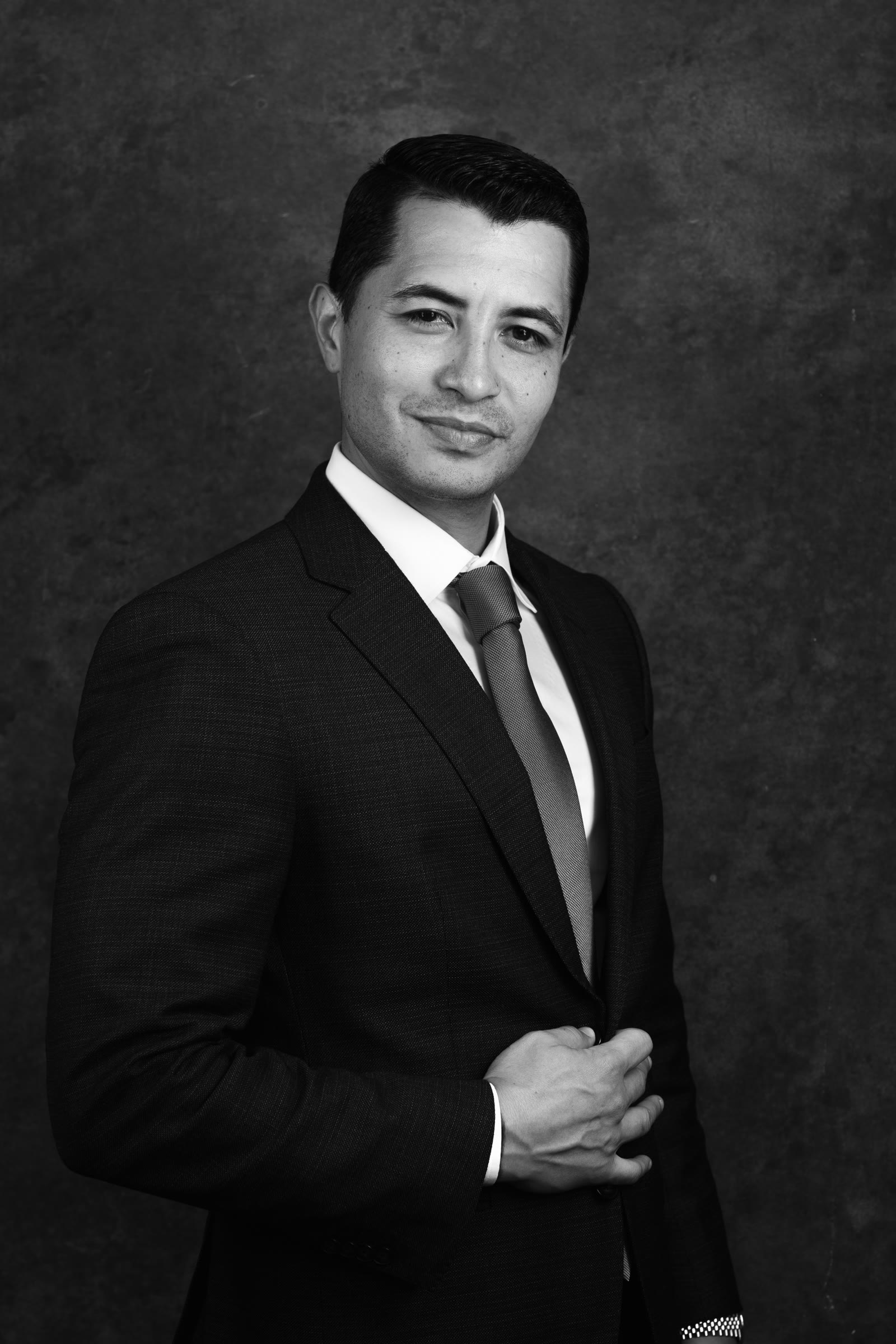
When it comes to making a strong first impression, your corporate headshot plays a crucial role. Whether you're updating your LinkedIn profile, company website, or marketing materials, a polished and professional headshot can set you apart. I’ve learned that nailing the perfect corporate headshot is not just about looking good—it’s about conveying confidence, approachability, and professionalism all at once. In this post, I’ll share practical advice and professional headshot tips to help you get the best results from your next photo session.
Professional Headshot Tips to Look Your Best
The key to a great headshot is preparation. Before you even step in front of the camera, there are several things you can do to ensure your photo reflects your best self.
1. Choose the Right Outfit
Your clothing should be simple, classic, and professional. Avoid busy patterns or overly bright colors that can distract from your face. Solid colors like navy, gray, or white work well. If you wear jewelry, keep it minimal and tasteful.
2. Grooming Matters
Make sure your hair is neat and styled the way you want it to appear in the photo. For men, a clean shave or well-trimmed beard is essential. For women, natural makeup that enhances your features without overpowering them is best.
3. Practice Your Expression
A genuine smile or a confident, relaxed expression works wonders. Practice in front of a mirror to find your best angle and expression. Remember, the goal is to look approachable yet professional.
4. Get Plenty of Rest
A good night’s sleep before your shoot will help reduce puffiness and dark circles. Hydrate well and avoid alcohol the day before to keep your skin looking fresh.
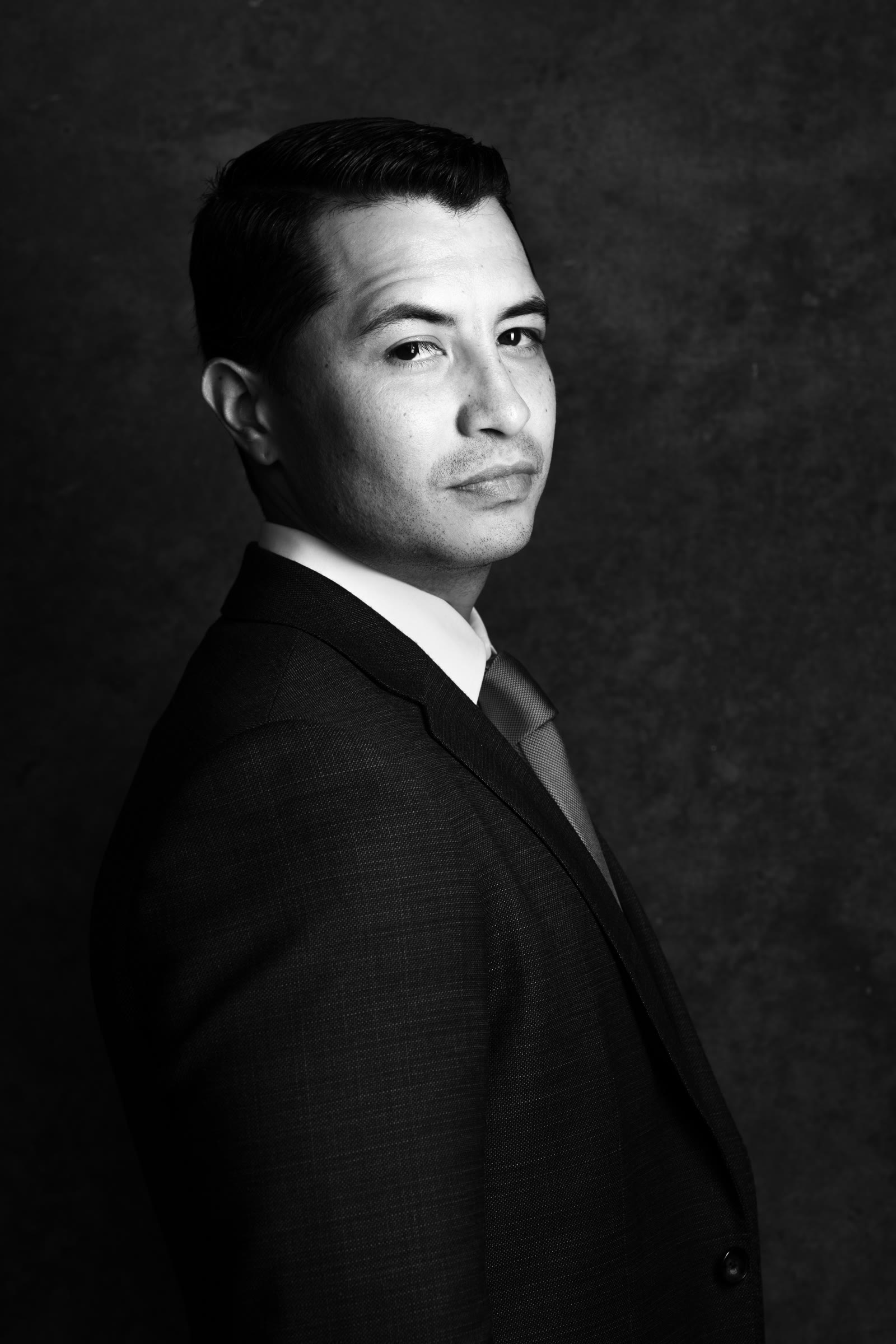
How to Prepare for Your Corporate Headshot Session
Preparation goes beyond just your appearance. The environment and mindset you bring to the session can make a big difference.
1. Communicate with Your Photographer
Discuss your goals and the image you want to project. A skilled photographer will guide you through poses and lighting to highlight your best features.
2. Choose the Right Background
Neutral backgrounds like white, gray, or soft blues are classic choices. They keep the focus on you and look clean and professional.
3. Plan Your Timing
Schedule your shoot for a time when you feel most energetic and alert. Mid-morning or early afternoon often works well.
4. Bring Options
If possible, bring a couple of outfit choices to the shoot. This allows you to switch looks and gives you more variety to choose from.
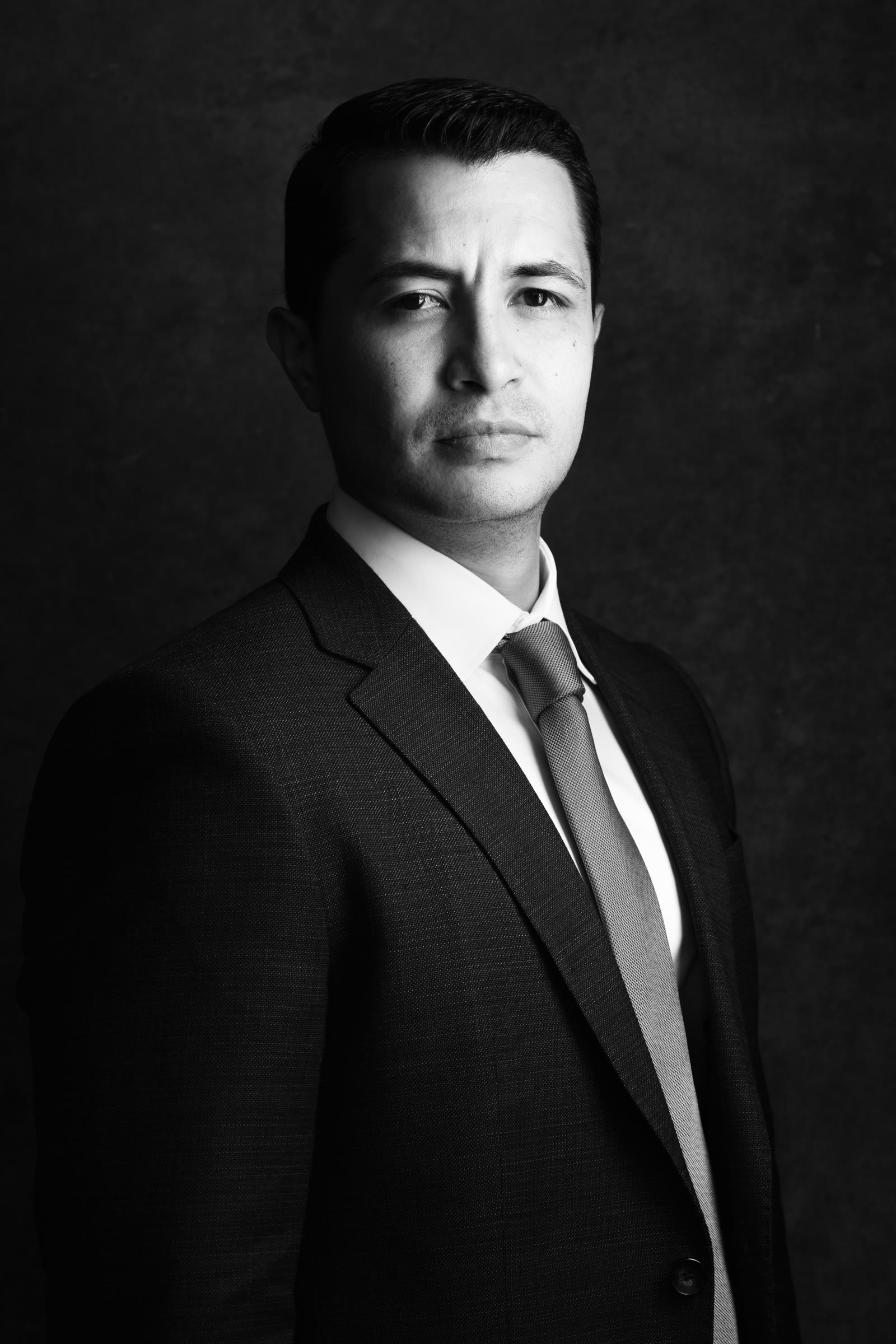
Is it Worth Paying for a Headshot?
You might wonder if investing in a professional headshot is really necessary. The short answer is yes, and here’s why.
1. First Impressions Count
Your headshot is often the first thing people see when they look you up online. A high-quality photo conveys professionalism and attention to detail.
2. It Builds Trust
A well-done headshot makes you appear more approachable and trustworthy. This is especially important in client-facing roles or industries where personal branding matters.
3. It Reflects Your Brand
Your image is part of your personal brand. A professional headshot aligns your appearance with your career goals and the message you want to send.
4. It’s a Long-Term Investment
A good headshot can last for years and be used across multiple platforms. It’s worth spending a bit more to get a photo that truly represents you.
If you want to see examples of excellent corporate headshot photography, I recommend checking out portfolios from experienced photographers who specialize in this area.
Posing and Expression: What Works Best
Once you’re in front of the camera, how you pose and express yourself can make or break the shot.
1. Keep Your Posture Straight
Good posture exudes confidence. Stand or sit up straight with your shoulders back but relaxed.
2. Angle Your Body Slightly
Turning your body slightly away from the camera (about 10-20 degrees) while keeping your face toward the lens creates a more dynamic and flattering look.
3. Relax Your Face
Take a deep breath and relax your jaw. Avoid forced smiles; instead, think of something that makes you genuinely happy to bring out a natural expression.
4. Use Your Eyes
Your eyes should be engaged and lively. Imagine you’re connecting with someone you respect and like.
5. Hands and Arms
If your hands are visible, keep them relaxed. Avoid crossing your arms tightly, which can seem defensive.
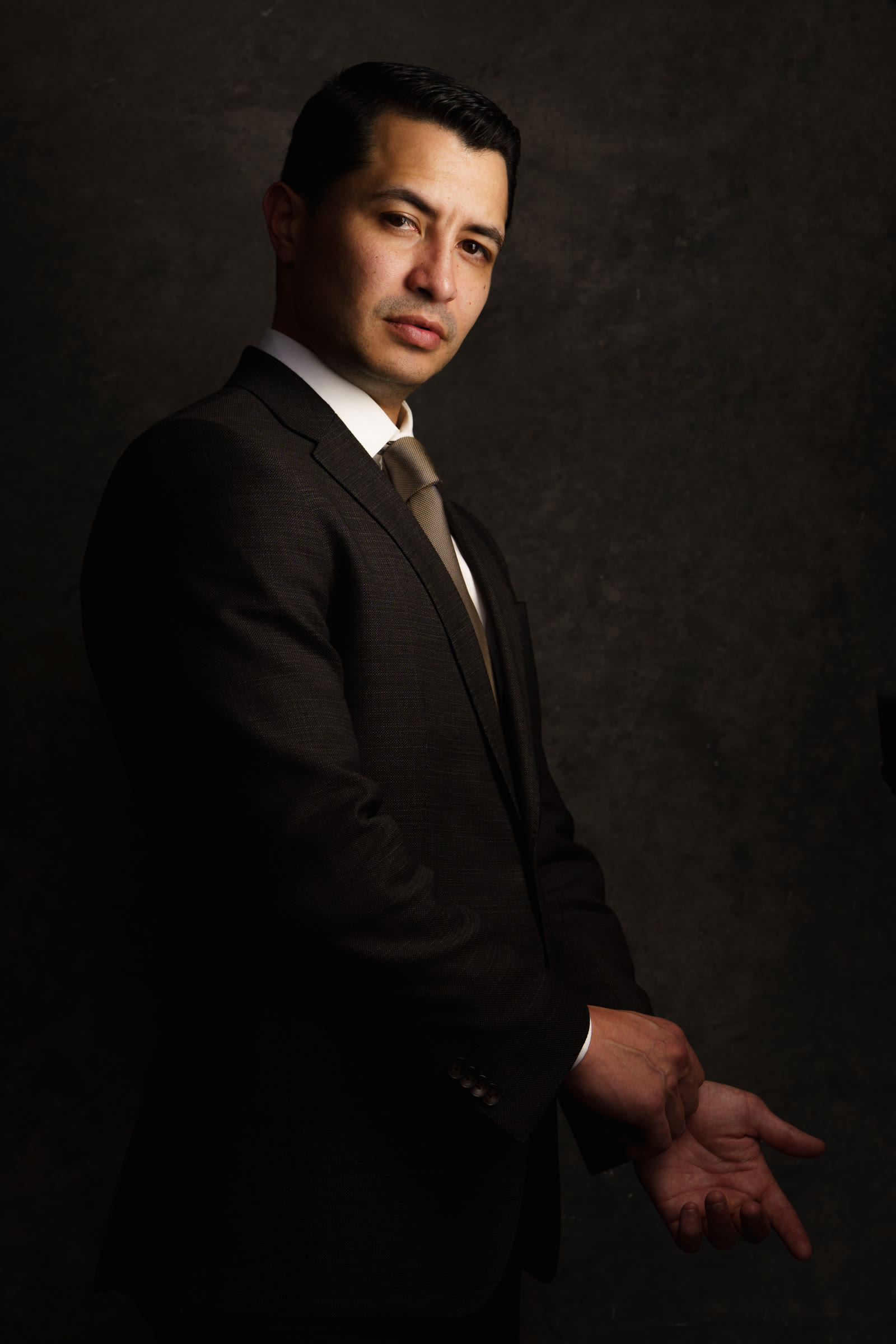
Final Tips for a Successful Corporate Headshot
Before you head to your session, keep these final tips in mind to ensure everything goes smoothly.
- Arrive Early: Give yourself time to settle in and relax before the shoot starts.
- Stay Hydrated: Drink water to keep your skin looking fresh.
- Avoid Last-Minute Changes: Stick to your planned outfit and grooming to avoid stress.
- Trust Your Photographer: They know how to bring out your best. Follow their guidance and be open to trying different poses.
- Review Your Photos: Don’t hesitate to ask for retakes if something doesn’t feel right.
Taking these steps will help you walk away with a headshot that truly represents your professional image.
Mastering your corporate headshot is about more than just looking good in a photo. It’s about presenting yourself with confidence and professionalism. With these professional headshot tips, you’re well on your way to creating a powerful image that opens doors and builds connections. Remember, investing in quality photography is investing in your career. So, take the time to prepare, relax, and let your true self shine through the lens.
More articles
Consistency Across a Team Gallery
Corporate headshot consistency is a production decision. The lighting diagram, camera height, lens choice, background distance, crop, color temperature, and retouching standards should stay controlled across the entire team. This is why planning matters before the first person steps in front of the camera. If a company expects to add new hires later, setup notes and sample references should be saved so future headshots can match the original gallery. A consistent team page makes an organization look more credible, organized, and established.
What Clients Should Know Before Booking
A professional headshot session works best when it is planned around use, audience, and brand position. A corporate leader may need an image that feels confident and approachable on LinkedIn, a company website, a speaker bio, and press materials. An actor may need a headshot that communicates casting range without feeling overworked. A pageantry client may need clean beauty lighting, refined posture, and a polished final image that still feels like the person in front of the camera. Those differences matter because the strongest portrait is not simply the most dramatic one; it is the image that supports the next step in the client’s professional life.
Before every session, it helps to think about wardrobe, color, neckline, grooming, background, and the emotional read of the expression. Neutral colors, tailored layers, and simple textures usually photograph better than busy patterns. For teams, consistency becomes even more important. Lighting, crop, background, color, and retouching should feel unified so the final gallery looks like one brand system rather than separate portraits collected over time. That level of consistency is what gives a company page, proposal deck, or leadership roster a more premium feel.
Retouching should support credibility, not erase identity. The goal is to control distractions, refine skin tone, polish flyaway hair, and keep attention on expression. A good headshot should hold up in small digital thumbnails and still feel refined when used larger in print or media. That is why professional direction matters during the session. The best results usually come from small adjustments: chin position, shoulder angle, eye engagement, breath, posture, and micro-expression. When those details are handled with care, the final image feels effortless even though the process behind it is highly intentional.
How to Get More Value From the Session
The most useful photography projects are planned with final placement in mind. Before booking, list the places where the images will appear: website hero sections, service pages, LinkedIn, Google Business Profile, proposals, press releases, casting submissions, printed ads, menus, or social campaigns. That simple step changes how the session should be photographed. Horizontal frames need room for headlines, vertical frames need clean subject placement for mobile, and square crops need enough breathing room to avoid cutting into the subject. When those deliverables are considered before the shoot, the final gallery gives you stronger options and reduces the need for last-minute compromises.
It also helps to think about consistency across the full brand. Color, contrast, background, wardrobe, styling, retouching, and file naming all affect how professional the final images feel once they are published. For businesses, that consistency can make a website, team page, restaurant menu, architecture portfolio, or campaign deck feel more established. For individuals, it can make a headshot, biography, speaking profile, and social presence feel aligned. The goal is to create photographs that look beautiful on their own and still work hard in the real places clients need to use them.