Photography and Videography Tips for Success
Photography and videography tips for planning stronger visual stories, improving production value, and creating useful commercial content.
Understanding the Basics of Visual Content Strategies
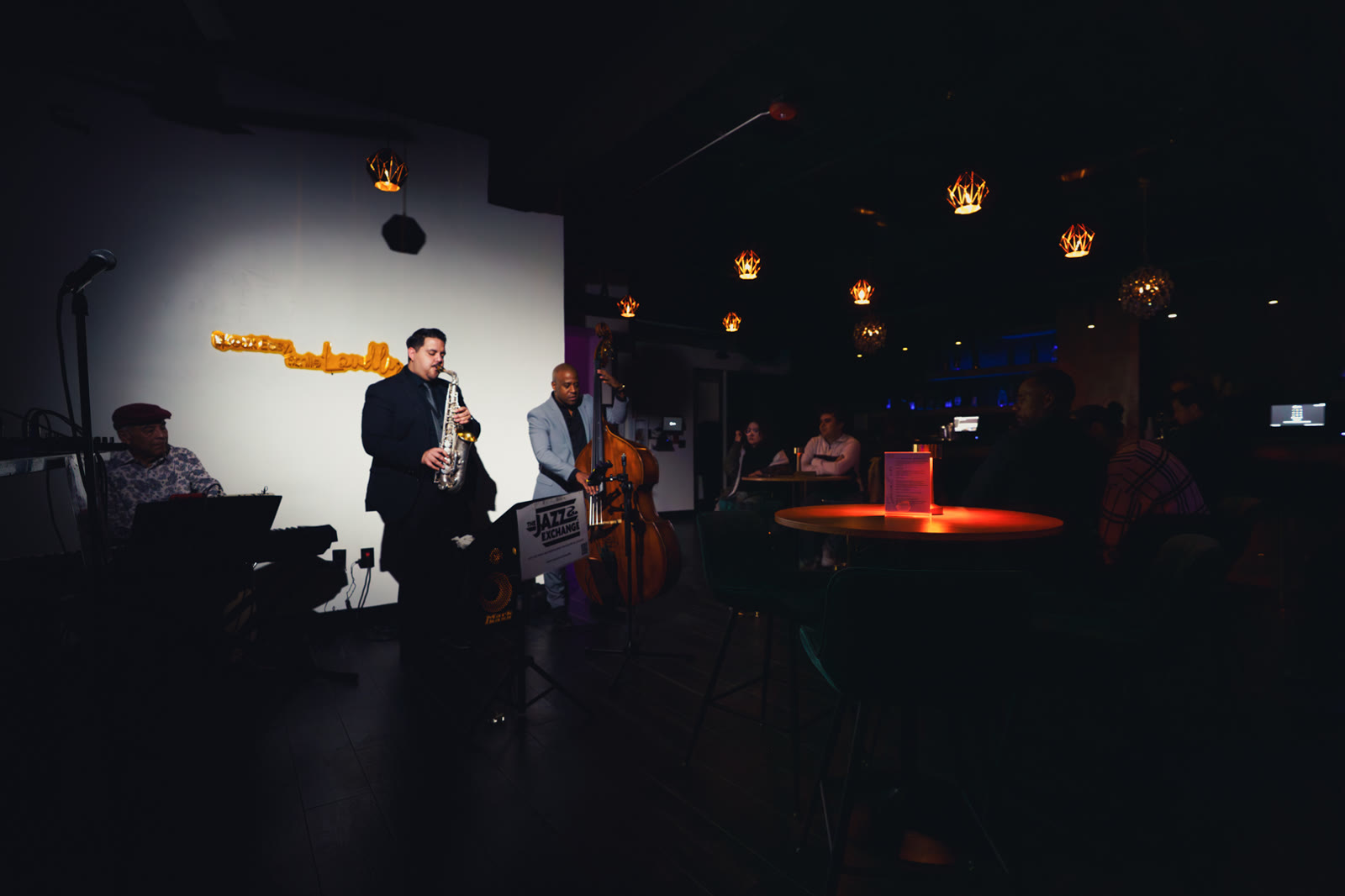
Before diving into the technical aspects, it’s essential to grasp the core principles of visual content strategies. These strategies guide how you plan, shoot, and edit your work to ensure it resonates with viewers and achieves your goals.
- Plan Your Shots: Think about the story you want to tell. What emotions or messages do you want to convey? Planning helps you choose the right locations, lighting, and subjects.
- Focus on Composition: Use the rule of thirds, leading lines, and framing to create balanced and engaging images.
- Lighting is Key: Natural light can be your best friend. Learn how to use it effectively or supplement it with artificial lighting.
- Consistency Matters: Develop a style or theme that makes your work recognizable and cohesive.
- Edit Thoughtfully: Post-processing should enhance your images and videos without overdoing it.
By applying these strategies, you set a strong foundation for your photography and videography projects.
Essential Equipment and How to Use It
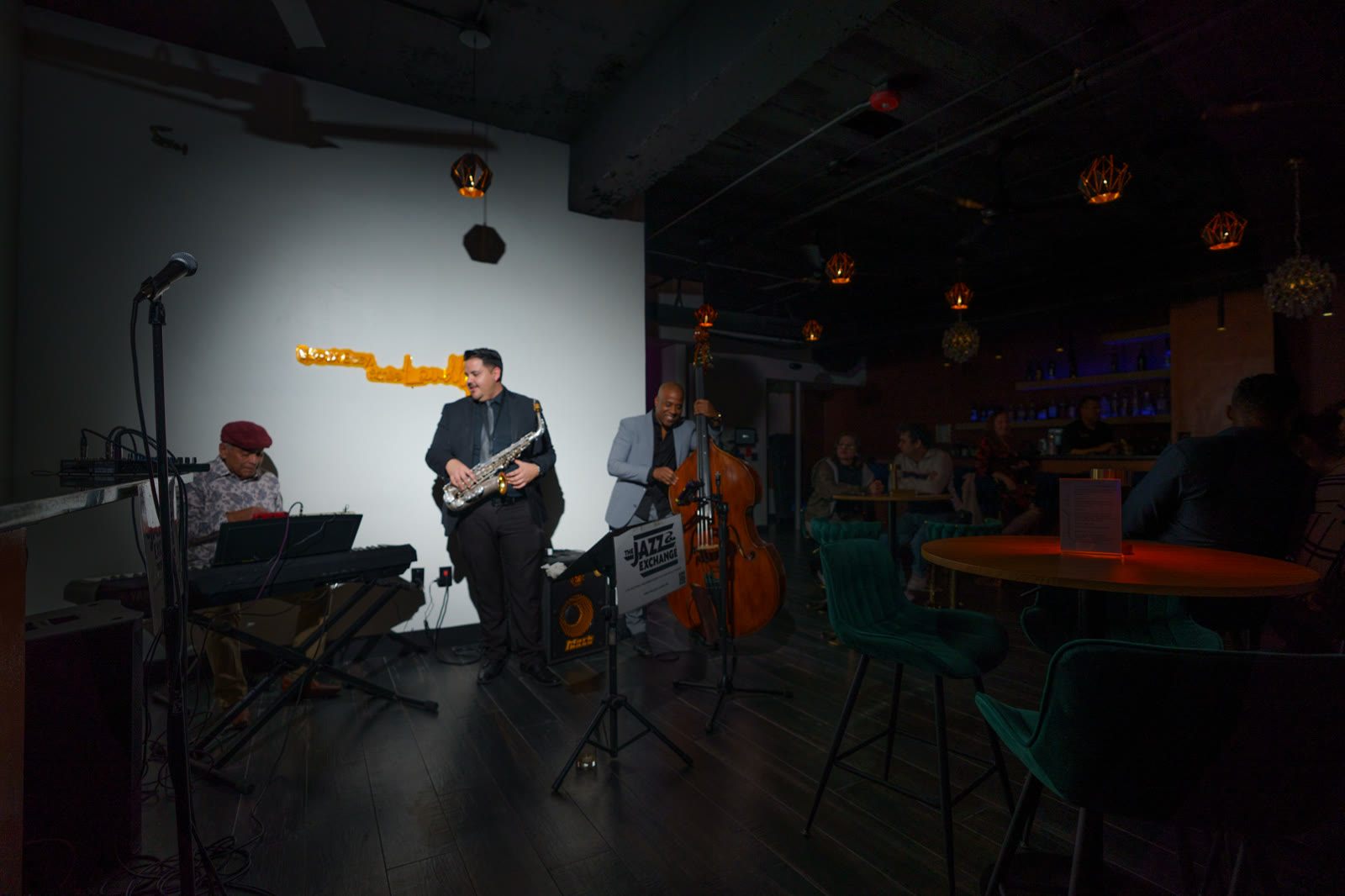
Having the right gear is important, but knowing how to use it well is even more critical. Here’s a straightforward guide to the essential equipment and tips on maximizing their potential:
- Camera: Whether you use a DSLR, mirrorless, or even a smartphone, understand your device’s settings. Learn about aperture, shutter speed, and ISO to control exposure.
- Lenses: Different lenses serve different purposes. A wide-angle lens is great for landscapes, while a prime lens excels in portraits.
- Tripod: Stabilizes your shots, especially in low light or for long exposures.
- Microphone: For videography, clear audio is as important as clear visuals. Invest in a good external microphone.
- Lighting Equipment: Reflectors, softboxes, and ring lights can dramatically improve your lighting setup.
Practice using each piece of equipment in various scenarios. The more familiar you are, the more confident you will be when shooting.
Mastering Composition and Framing Techniques
Composition is the art of arranging elements within your frame to create a visually pleasing image or video. Here are some techniques I rely on to make my work stand out:
- Rule of Thirds: Imagine your frame divided into nine equal parts. Place key elements along these lines or their intersections.
- Leading Lines: Use natural or architectural lines to guide the viewer’s eye toward the subject.
- Symmetry and Patterns: These can create striking visuals that are easy to appreciate.
- Depth: Add layers to your shots by including foreground, middle ground, and background elements.
- Negative Space: Sometimes, less is more. Empty space can highlight your subject and create balance.
Try experimenting with these techniques in your next shoot. You’ll notice how they change the story your images tell.
Tips for Capturing Stunning Videos
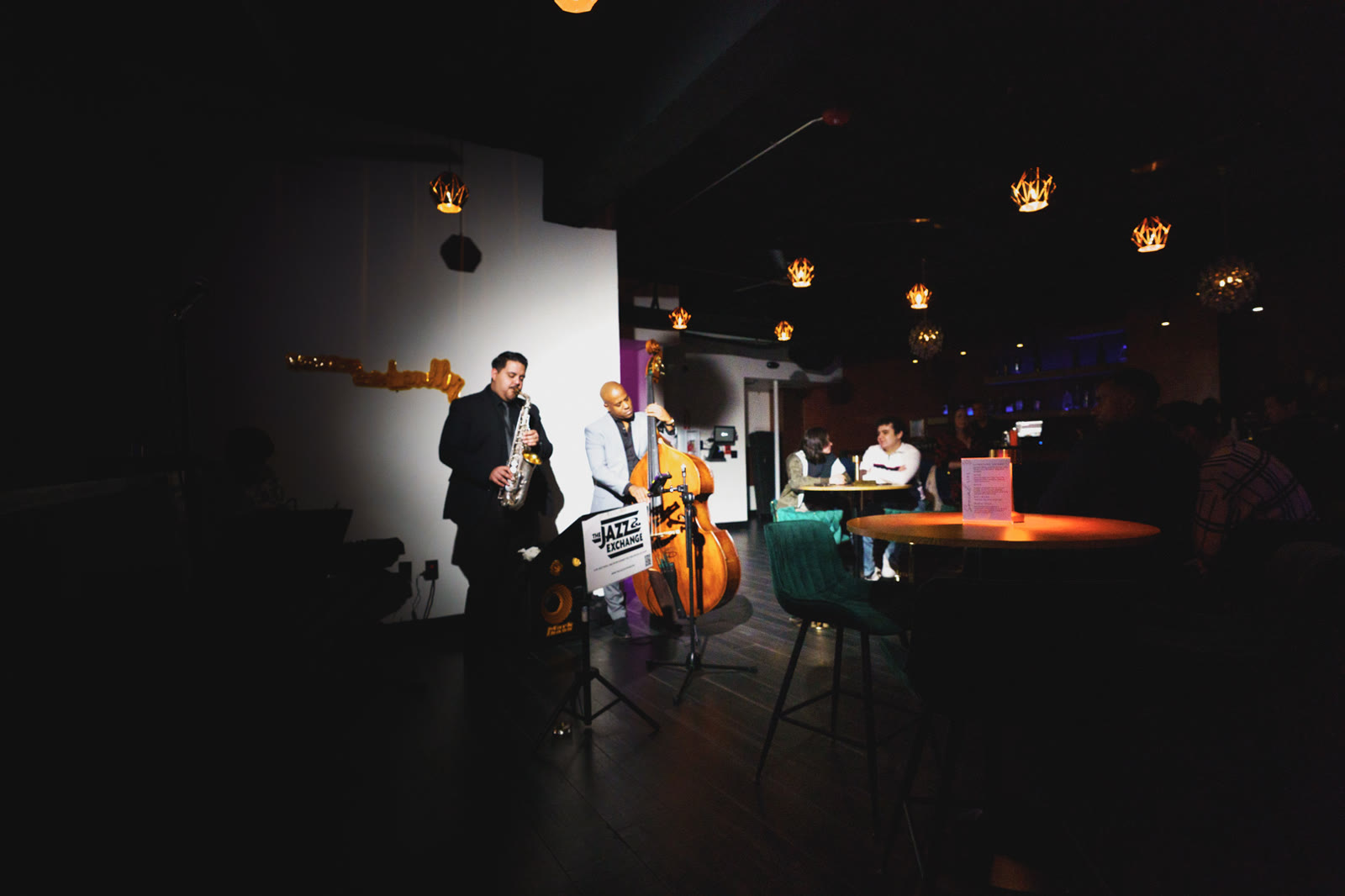
Videography requires a slightly different approach than photography, but many principles overlap. Here’s how to create compelling videos:
- Plan Your Storyboard: Outline your shots and sequences before filming.
- Use Smooth Movements: Avoid shaky footage by using stabilizers or gimbals.
- Mind Your Audio: Record in quiet environments and use external microphones.
- Control Lighting: Consistent lighting prevents distracting shadows and color shifts.
- Edit with Purpose: Cut unnecessary scenes and add transitions to keep viewers engaged.
Remember, practice makes perfect. Review your footage critically and learn from each project.
How to Improve Your Skills Continuously
Mastering photography and videography is a journey, not a destination. Here are some ways to keep growing:
- Take Workshops and Online Courses: Learning from professionals can accelerate your progress.
- Join Communities: Share your work and get feedback from fellow creatives.
- Experiment Regularly: Try new styles, subjects, and techniques.
- Analyze Great Work: Study photos and videos you admire to understand what makes them effective.
- Stay Updated: Technology and trends evolve, so keep up with the latest tools and ideas.
By committing to continuous improvement, you’ll build confidence and develop a unique voice in your visual storytelling.
Bringing It All Together
If you want to truly excel, consider exploring professional resources and portfolios that inspire. For example, I often refer to photography and videography experts who showcase exceptional work and share valuable insights. Their approach to lighting, composition, and storytelling can teach you a lot.
Remember, the key to mastering this art is patience and practice. Every shot you take is a step closer to creating breathtaking visual content that speaks volumes.
Keep shooting, keep learning, and most importantly, enjoy the process of capturing the world through your lens.
Conclusion
In conclusion, photography and videography are not just about the equipment or the techniques. They are about the stories we tell and the connections we make. By understanding the basics, mastering your equipment, and continuously improving your skills, you can create stunning visual content that resonates with your audience.
So, take your time, enjoy the journey, and let your creativity shine through every frame you capture.
More articles
Combining Still Photography and Motion
Many commercial projects benefit from planning photography and video together. Still images are often best for websites, print, profiles, menus, proposals, and press, while video helps show motion, process, space, voice, and atmosphere. When both are planned under one creative direction, the final assets feel connected instead of pieced together. This matters for brands that need a complete content library. A single production day can often capture hero stills, detail images, short clips, social cutdowns, and behind-the-scenes content if the shot list is organized before the shoot begins.
Why Photography and Video Should Work Together
Photography and video are strongest when they are planned as one visual system. A brand may need cinematic motion for attention, still photography for websites and press, vertical clips for social media, and clean portraits for trust. When those assets are captured with a shared lighting approach, color palette, and production plan, the final campaign feels more cohesive. The viewer may not notice every technical choice, but they do feel the difference between disconnected content and a unified visual identity.
Good visual storytelling starts with purpose. Before cameras come out, the project should define what the audience needs to understand, what emotion the piece should carry, and what action the viewer should take next. For a commercial client, that may mean showing process, quality, people, place, scale, or atmosphere. For a personal brand, it may mean communicating confidence and expertise. For a film or editorial piece, it may mean building tension, rhythm, and mood. Those decisions shape lens choice, camera movement, lighting, framing, pacing, and the final edit.
The practical benefit of combining photography and video is efficiency. A well-planned production can create hero stills, behind-the-scenes clips, campaign images, interview frames, detail shots, and social assets in one organized shoot. That gives clients more value from the same production day and keeps the visual language consistent across platforms. The result is not simply more content; it is a stronger library of assets that can support marketing, recruitment, press, sales, and storytelling with a consistent level of polish.
How to Get More Value From the Session
The most useful photography projects are planned with final placement in mind. Before booking, list the places where the images will appear: website hero sections, service pages, LinkedIn, Google Business Profile, proposals, press releases, casting submissions, printed ads, menus, or social campaigns. That simple step changes how the session should be photographed. Horizontal frames need room for headlines, vertical frames need clean subject placement for mobile, and square crops need enough breathing room to avoid cutting into the subject. When those deliverables are considered before the shoot, the final gallery gives you stronger options and reduces the need for last-minute compromises.
It also helps to think about consistency across the full brand. Color, contrast, background, wardrobe, styling, retouching, and file naming all affect how professional the final images feel once they are published. For businesses, that consistency can make a website, team page, restaurant menu, architecture portfolio, or campaign deck feel more established. For individuals, it can make a headshot, biography, speaking profile, and social presence feel aligned. The goal is to create photographs that look beautiful on their own and still work hard in the real places clients need to use them.
Practical Next Step
If the images will support a business goal, prepare a short creative brief before the session. Include the audience, deadline, final platforms, preferred crop formats, brand colors, and any examples that feel close to the desired tone. That gives the photographer a clearer target and helps the final gallery feel intentional from the first frame to the final delivery.